

Experiencing issues with your washer suddenly filling slowly or not filling at all? These problems often point towards washing machine inlet valve symptoms, signaling potential faults with this essential component. Identifying the signs early can save you from costly repairs or unexpected appliance downtime. This article will guide you through the common symptoms of a faulty washing machine inlet valve, how to diagnose issues accurately, and insights on when to consider replacement. By understanding these warning signs, you can ensure your laundry routine stays efficient and hassle-free.
Recognizing Washing Machine Inlet Valve Symptoms
What the Washing Machine Inlet Valve Does
The washing machine inlet valve controls the flow of hot and cold water from your home's plumbing into the washer drum. It opens and closes automatically during specific cycles to fill the machine with the correct water amount and temperature. When it malfunctions, the water supply can be disrupted, which leads to a variety of performance issues.
Common Signs of a Faulty Valve
Look out for these key washing machine inlet valve symptoms:
- Washer fills slowly or not at all: A clogged or damaged valve can restrict water flow, leading to inadequate filling.
- Continuous water flow or overfilling: If the valve fails to shut properly, water may keep running, causing overflow or leaks.
- Water leaking around hoses or valve: Worn seals or cracks in the valve body can lead to visible leaks.
- Unusual noises during filling: Buzzing or humming sounds from the valve solenoid can suggest electrical faults.
These symptoms often overlap with other issues, so a systematic approach is necessary for accurate diagnosis.
Diagnosing Washing Machine Inlet Valve Problems
Visual and Physical Inspections
Start by examining the inlet valves and hoses at the back of your washer. Look for water stains, corrosion, or leaks around connections. Remove inlet hoses and clean the mesh filter screens found inside the valve ports to remove debris that might be blocking water flow.
Electrical Testing of Valve Solenoids
If visual inspection doesn’t reveal problems, testing the valve's solenoids can help. Disconnect the washing machine from power, then use a multimeter set to the OHM setting to check for continuity. A reading of infinite resistance or zero indicates faulty solenoid coils, a clear sign the valve should be replaced.
Common Causes Behind Washing Machine Inlet Valve Issues
Clogged Filter Screens
Mineral deposits and sediment in the water supply often clog the valve’s internal mesh filters, restricting water flow. Regular cleaning can prevent this but neglect leads to valve malfunction.
Electrical Failures and Mechanical Wear
Solenoid coils that control valve opening may burn out or lose function due to extended use or electrical surges. Additionally, rubber seals or diaphragms within the valve can harden, crack, or misalign, causing leaks or incomplete sealing.
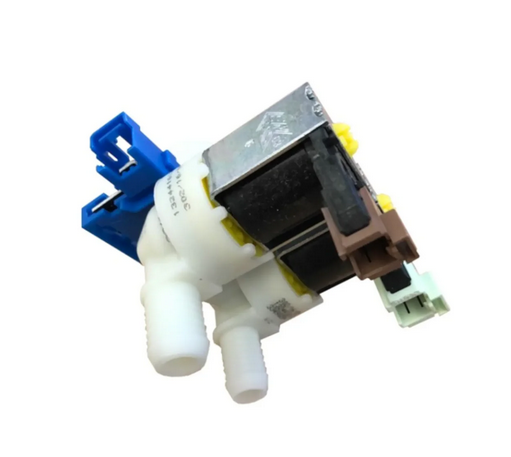
Electrolux Washing Machine Inlet Valve 132441612: A Reliable Replacement Option
Why Choose the Correct Replacement Valve
Selecting the right replacement part is critical to restore your washer’s performance. The Electrolux washing machine inlet valve 132441612 is a trusted component designed specifically for Electrolux models. Using the correct valve ensures compatibility, long-lasting operation, and proper water flow control.
Installation Considerations
When replacing the inlet valve, keep in mind to switch off water and power supply to the machine. Label electrical connections before removal to make reconnection straightforward. Secure all clamps tightly and check for leaks after installation. If unsure, professional installation is advised to prevent damage.
Maintenance Tips to Extend the Life of Your Washing Machine Inlet Valve
Routine Inspection and Cleaning
- Regularly check hoses and valve for signs of wear or leaks.
- Clean inlet valve filter screens every few months to prevent blockages.
- Ensure water pressure is within the manufacturer's recommended range to avoid stress on valves.
Proper Usage Habits
Avoid overloading your washing machine, as excessive strain can indirectly impact water flow components. Also, minimize sudden water supply shut-offs and restarts which can cause pressure surges, potentially damaging valves.
When to Replace Your Washing Machine Inlet Valve
Replacement Triggers
It’s time to replace your washing machine inlet valve when you experience persistent filling problems, leaks that cannot be fixed by seal replacement, or electrical failures in the solenoid coils. Attempting to repair an extensively worn or damaged valve often proves ineffective.
Cost and Convenience
While repairing the inlet valve might be an option for minor blockages or seal fixes, replacing it is usually more reliable and extends the life of your appliance. Investing in a quality replacement valve like the electrolux washing machine inlet valve 132441612 not only restores function but also helps to avoid frequent breakdowns.
In summary, paying close attention to washing machine inlet valve symptoms such as slow filling, leaks, unusual noises, or continuous water flow can help you spot valve issues early. Conduct simple inspections and testing to confirm faults, and ensure you select the right replacement parts, like the electrolux washing machine inlet valve 132441612, for lasting repairs. Proper maintenance and timely replacement will keep your washing machine running efficiently and reduce the risk of water damage or inconvenient malfunctions. For more information or to explore compatible replacement valves, visit our selection and keep your washer operating at its best.
