
Symptoms of fridge water inlet valve failure can disrupt your daily routine by causing water leaks, poor ice production, or no water flow from your refrigerator dispenser. Identifying these symptoms early is crucial to prevent damage and costly repairs. In this article, we will guide you through how to diagnose a faulty fridge water inlet valve quickly and effectively, so you can take timely action to restore your appliance’s performance.
Understanding the Symptoms of Fridge Water Inlet Valve Failure
Common Signs to Watch For
The symptoms of fridge water inlet valve failure typically involve issues with water supply and flow within your refrigerator. Key signs include:
- Water leakage beneath or behind the fridge
- Water dispenser not working or dispensing slowly
- Ice maker failing to produce ice or producing small, misshapen ice cubes
- Unusual noises such as buzzing or humming near the valve area
- Erratic water flow or intermittent dispensing
These symptoms often point to a malfunctioning valve that either doesn’t open fully or is stuck open, causing leaks. Early detection helps avoid more severe water damage or appliance failure.
Why the Valve Fails
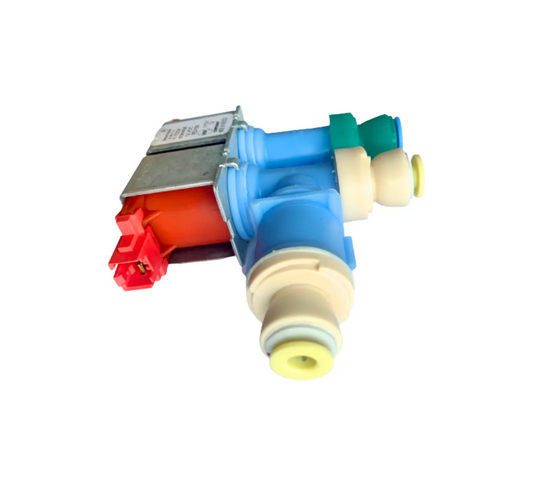
Failures can result from mineral build-up, electrical faults within the valve’s solenoid coil, worn seals or gaskets, or physical damage to the valve body. Over time, components may corrode or clog, reducing water flow and triggering these symptoms.
Step-by-Step: How to Diagnose a Faulty Fridge Water Inlet Valve
Visual and Physical Inspection
Begin by unplugging your refrigerator and turning off the water supply to prevent accidents. Slide the fridge away from the wall and look for water pooling near the valve, which is usually located at the back near the water line connection.
Check for any visible cracks, corrosion, or loose fittings on the valve and supply hoses. Inspect the electrical connectors for signs of damage or burnt wiring.
Testing Water Flow and Valve Operation
Disconnect the water supply line from the valve and place it over a bucket. Turn the water supply back on briefly to check the flow. A weak or no flow indicates blockage or valve failure. Additionally, listen for a humming sound when the fridge calls for water. No sound could mean an electrical issue with the valve solenoid.
Use a multimeter to test coil continuity if you’re comfortable with electrical testing. An infinite resistance reading strongly suggests the solenoid needs replacing.
Common Causes Behind Fridge Water Inlet Valve Problems
Mineral Buildup and Clogging
Hard water can deposit minerals inside the valve, affecting its ability to open fully. This buildup reduces water flow to your ice maker and water dispenser.
Electrical and Mechanical Failures
The solenoid coil activates the valve. Coil failure or damaged wiring prevents the valve from opening. Also, physical damage like cracks or seal degradation often leads to leaks or valve sticking.
Tools and Tips for Diagnosing at Home
Essential Tools
- Multimeter for electrical testing
- Bucket or container for water flow tests
- Screwdrivers and pliers for accessing the valve
- Towels to catch leaks
Safety Precautions
Always unplug the fridge and shut off the water before inspecting or testing. Use insulated tools for electrical tests and avoid water exposure to electrical parts.
Replacing the Fridge Water Inlet Valve: What You Need to Know
Choosing the Right Replacement Part
When replacing the valve, ensure compatibility with your fridge model. For example, the 838456 Fisher & Paykel Fridge Inlet Water Valve is a reliable option widely used for Fisher & Paykel fridges, offering durable performance.
Installation Considerations
Turn off water and power, disconnect the old valve, and replace it with the new one, taking care to secure all fittings tightly. Improper installation can cause leaks or malfunction, so consult a professional if unsure.
Maintaining Your Fridge Water Inlet Valve for Longevity
Routine Checks and Cleaning
- Regularly inspect for leaks or corrosion
- Clean water inlet filters to prevent clogging
- Operate automatic ice makers periodically to keep the valve moving
When to Call a Professional
If you notice persistent leaks, erratic water flow, or valve issues beyond simple cleaning and testing, it's best to contact a qualified technician for accurate diagnosis and repair.
Recognizing the symptoms of fridge water inlet valve failure early can save you from costly water damage and appliance downtime. Through careful diagnosis involving visual inspections, water flow tests, and electrical checks, you can pinpoint a faulty valve efficiently. Whether you choose to repair or replace it, selecting the correct replacement part, such as the 838456 Fisher & Paykel Fridge Inlet Water Valve, and maintaining your valve regularly will ensure consistent fridge performance. Stay alert to the symptoms of fridge water inlet valve failure to keep your refrigerator functioning reliably year-round.
